Author

Jim Gogolinski
Head of Threat Research
Category
Conceal Recon Group
Published On
Oct 6, 2025
Why Your Browser Is Not a Firewall

As more tech savvy people continue to realize that the browser is the new security wild west, many ideas and terms are being bantered around. One such claim is that the browser security is the new firewall. While it is true in one sense that the browser sits at the edge of you and the untamed internet, the requirements of browser security are far more complex.
Looking back in time, firewalls were the in thing, the ultimate in network protection. That was true for a while but as technology and threats evolved, firewalls were no longer enough. Sure, they had their place as the initial bastion of protection into your network, blocking some attacks based on static IOCs and TTPs. Once encryption (hello https) became a thing, you had to bolt on a whole new product to your stack. Now you were teeing off traffic to a MiTM decoder and doing out of band detections. Soon after. we saw IDS and IPS systems running in networks.

Next up – AV and then EDR/XDR were needed to keep the endpoint secure from things the firewall, IPS, and IDS didn’t detect.

Oh, you care about your confidential data leaving the building as well? Add in DLP to the list.

Your workforce is now mostly remote? The VPN solution now had to shift from supporting a few to supporting all. Need to support contractors through an RBI solution?

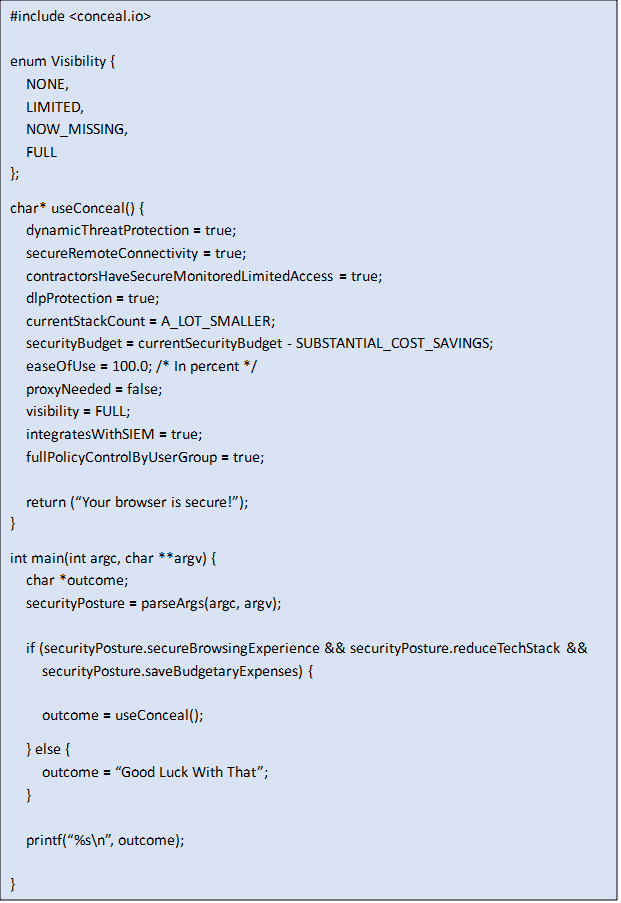
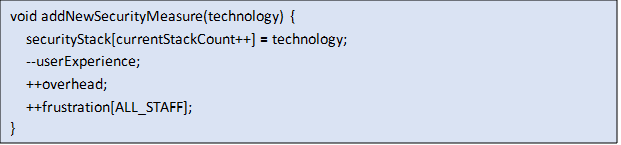
You can see where this is going, your tech stack is now necessarily larger than just a firewall. This leads to increased financial costs and work for your already overloaded support and SOC staff.
Returning to the new frontier, the bowser, we quickly realized that unless you are running a MiTM solution, most of the protections in your security stack are not going to protect you out there on the edge. Remember, the browser experiences things that your traditional security stack will not see. When all your users were behind the same firewall, you had visibility into their journey. Even if you didn’t block something before the fact, at least you had logs in case you now needed to do some sort of user behavior investigation – be it an IR or some other HR request. A majority of employees working remotely typically forces a split tunnel VPN configuration so now most of their network traffic is going through their home router and not your firewall. The visibility you had is now gone.

Modern browser security needs to be all these things rolled into one. You still need the static protection that firewalls provided (IOCs), the ability to inspect decrypted content, deterministic and heuristic detection capabilities that stay a step ahead of threat actors, secure connectivity to your corporate resources, and DLP. Each of those needs to be put into proper context to ensure the highest detection rate while minimizing false positives. This allows your employees to work securely while minimizing impact to workflow. Because as we all know:
The reality of today’s modern workforce is that a large percentage of your users’ time is spent in the browser, not on the desktop. Conceal brings the functionality of your current security stack to the browser as a single solution. You get traditional firewall like protection, dynamic content analysis of all traffic, secure connectivity to your corporate assets, and monitored remote access for contractors. All without the need for any proxy or MiTM products. What does this mean to your organization?